In Tamil homes, a feast is never measured only by the number of dishes served.
It is measured by how warmly the guest is welcomed, how often the host asks them to eat a little more, and whether they leave the table with a full stomach and a happy heart. This is the spirit of Virundhu. And when that hospitality is expressed through fragrant biryani, slow-cooked mutton, country chicken, seafood, spicy gravies and endless servings on a banana leaf, it becomes something even more memorable. It becomes a Kari Virundhu.
Chapter One
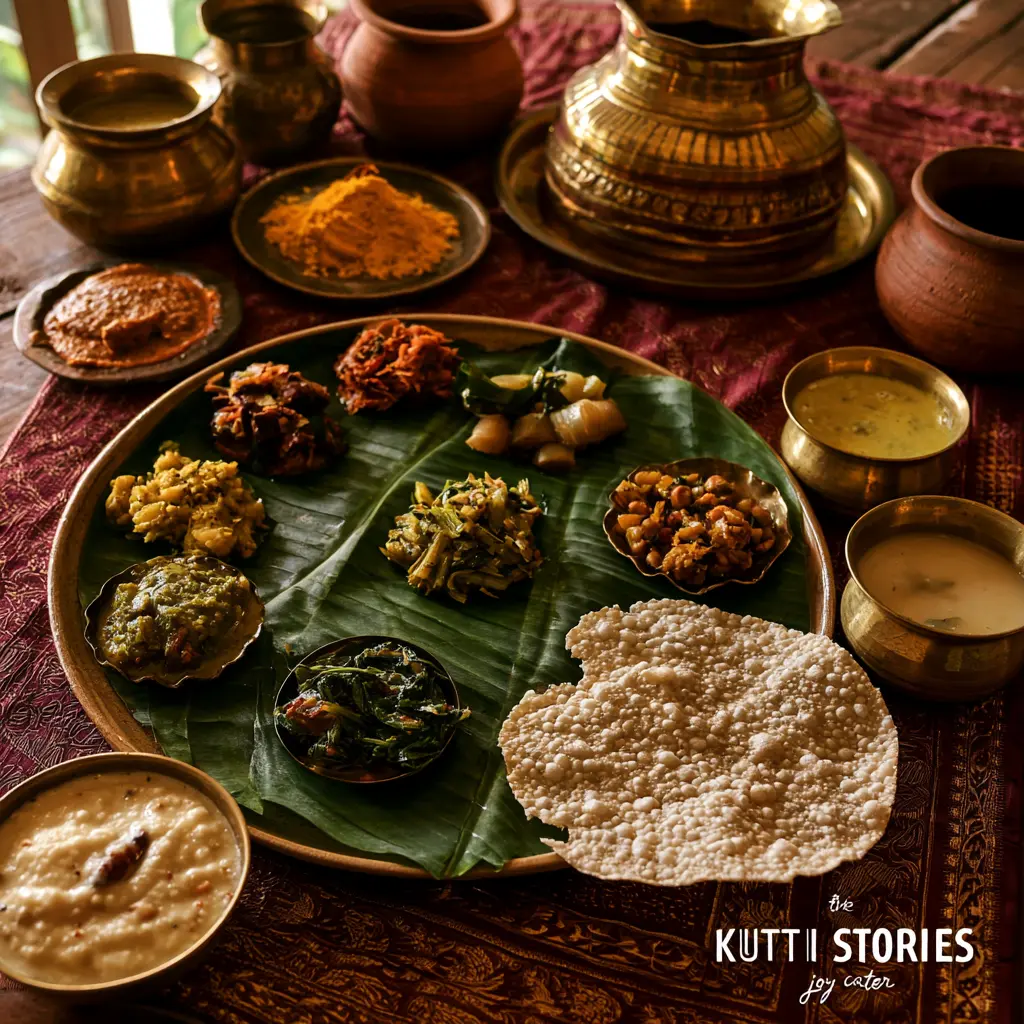
When a Banana Leaf Becomes a Celebration
Imagine a family home filled with laughter. Relatives have arrived from different towns. Children are running between rooms. Old stories are being retold. In the kitchen, large vessels of curry are simmering while the aroma of roasted spices, curry leaves and freshly cooked meat travels through the house.
Outside, long banana leaves are arranged for the guests. The eldest member of the family takes one look at the spread and says:
“Ellarum nalla saapidanum.
Yaarum pasiyoda pogakoodathu.”Everyone must eat well · No one should leave hungry
That one sentence explains the heart of Tamil hospitality. Virundhu Sappadu is traditionally associated with weddings, festivals, family gatherings and important celebrations — served as a complete meal, often on a banana leaf, with different dishes arriving in a thoughtful sequence.
Chapter Two
What Is Kannannan Virundhu?
The name Kannannan Virundhu is widely associated today with a well-known Coimbatore-style non-vegetarian feast experience — a home-style, banana-leaf meal featuring a generous variety of chicken, mutton, egg and other non-vegetarian dishes, with repeat servings forming an important part of the experience.
Over time, the name has come to represent something larger in the minds of food lovers. It represents a feast where variety is abundant, flavours are bold, and hospitality does not stop after the first serving. The wider tradition behind it is the Tamil Kari Virundhu — a celebratory meat feast prepared for relatives, friends and the wider community.
Chapter Three
The Feast Begins
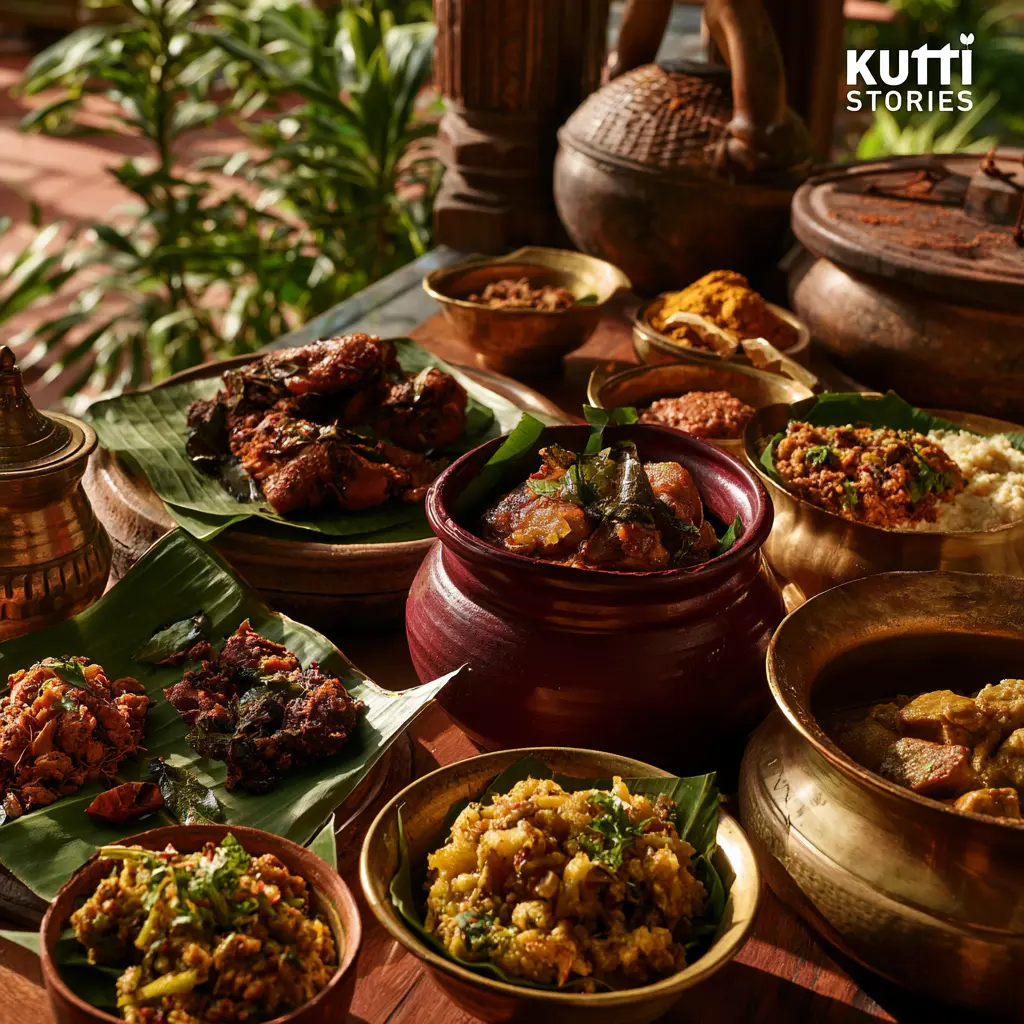
A proper Kari Virundhu does not rush its guests. The banana leaf is placed. Water is served. Pickle, onion, lemon, salt and cooling accompaniments take their positions. Then, one by one, the dishes begin to arrive.
The First Bites
Every family has its own favourite — there is no single fixed menu. The feast changes with the region, occasion, family tradition and the day’s freshest ingredients.
Chapter Four
The Main Event
Then comes the rice. Perhaps it is an aromatic Ambur-style chicken biryani. Perhaps it is mutton biryani, cooked slowly until the meat becomes tender and the masala coats every grain. In some homes, the biryani is followed by steamed rice and a parade of gravies.
Rice & Gravies
The magic is not simply in tasting many dishes — it is in discovering how each has its own character. The mutton curry runs deep and earthy; the fish kuzhambu is sharp with tamarind; the chicken fry carries the heat of black pepper; the rasam arrives with a lighter, comforting finish.
Chapter Five
“Konjam Innum Podava?”
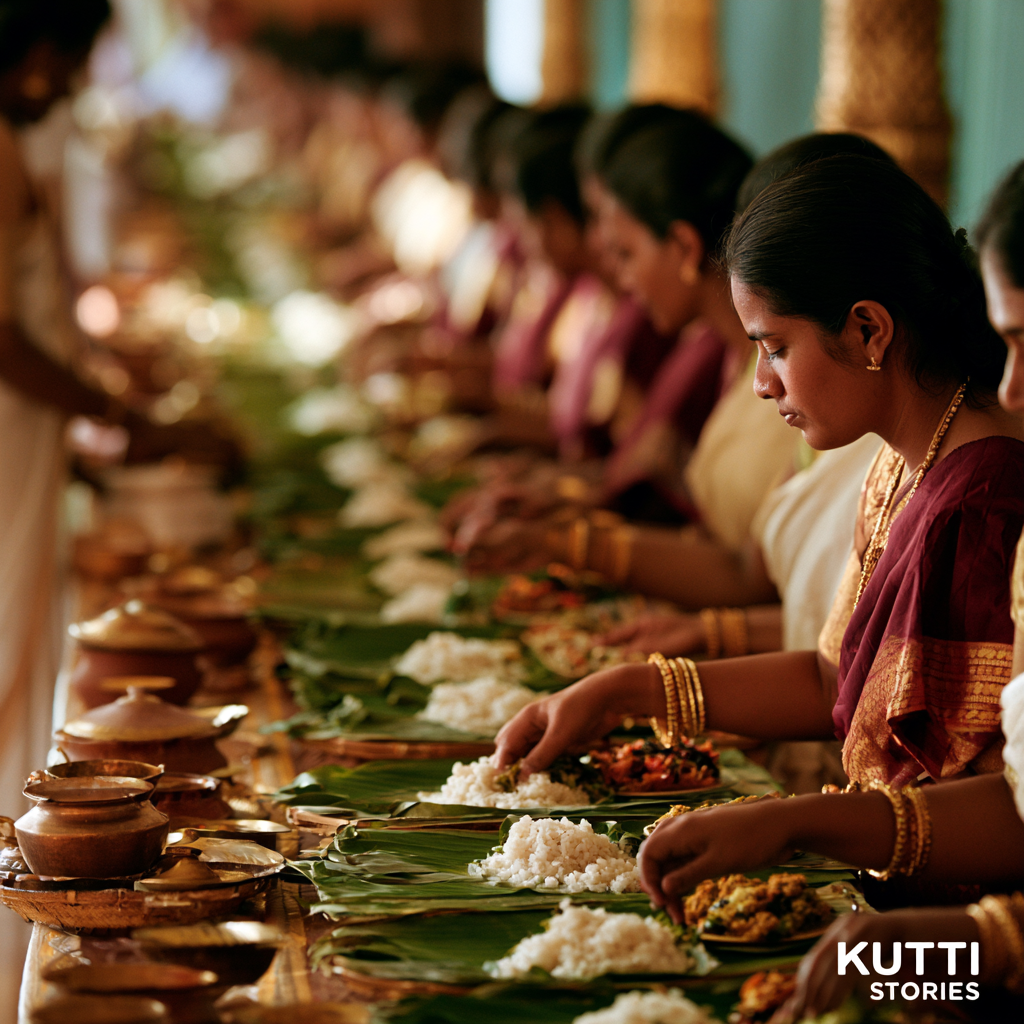
The most important person at a Kari Virundhu may not be the cook. It may be the person serving the food. They watch every banana leaf carefully. The moment the biryani becomes low, another spoonful appears. When the mutton gravy is nearly finished, the server asks:
“Konjam innum podava?”Shall I serve you a little more?
Even when the guest says they are full, the host may lovingly insist — “Indha oru piece mattum saapidu.” Just eat this one last piece. That is Virundhu. Not forcing food upon someone, but making sure they understand that they are valued, welcomed and cared for. In Tamil culture, offering food to guests has long been regarded as one of the highest expressions of hospitality.
Chapter Six
A Sweet Ending
After the spice and richness of the meat dishes, the feast moves towards a gentler conclusion. The guest may be completely full, but somehow there is always room for a spoonful of payasam. That, too, is part of the mystery of a good Virundhu.
To Finish
Chapter Seven
Why Kari Virundhu Still Matters
Today, families may live in different cities, or even different countries. Everyone is busy, and it is becoming harder to gather relatives around one table. That is why a Kari Virundhu has become even more meaningful. It gives people a reason to pause — to call the uncles, aunties, cousins and childhood friends; to sit together without rushing; to remember those who taught the family its recipes; and to introduce children to the flavours their grandparents enjoyed.
A Kari Virundhu can turn many family occasions into unforgettable celebrations:
The occasion does not need to be enormous. Even a small gathering can feel grand when the food is served with generosity.